The EU PPWR will come into full effect in August, it applies to all EU member states.
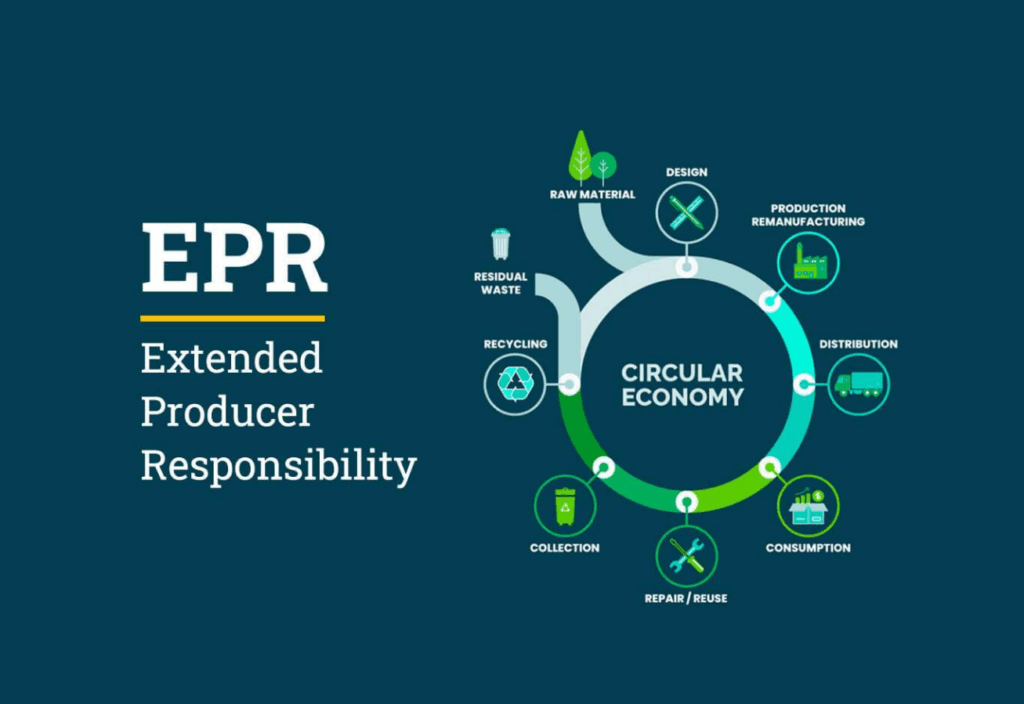
For brands planning to enter or already operating in the EU market, a new environmental cost concept must be officially considered—EPR liability.
Here is the latest EU packaging guidance.
01 Six New Requirements Impacting Packaging
·EPR Liabilities for Entering the EU Market
Any first-time distributor of goods must complete EPR registration, declarations and undertake packaging waste management fees before August.
Brands must track packaging materials details. Suppliers need to provide comprehensive data and certification documents.
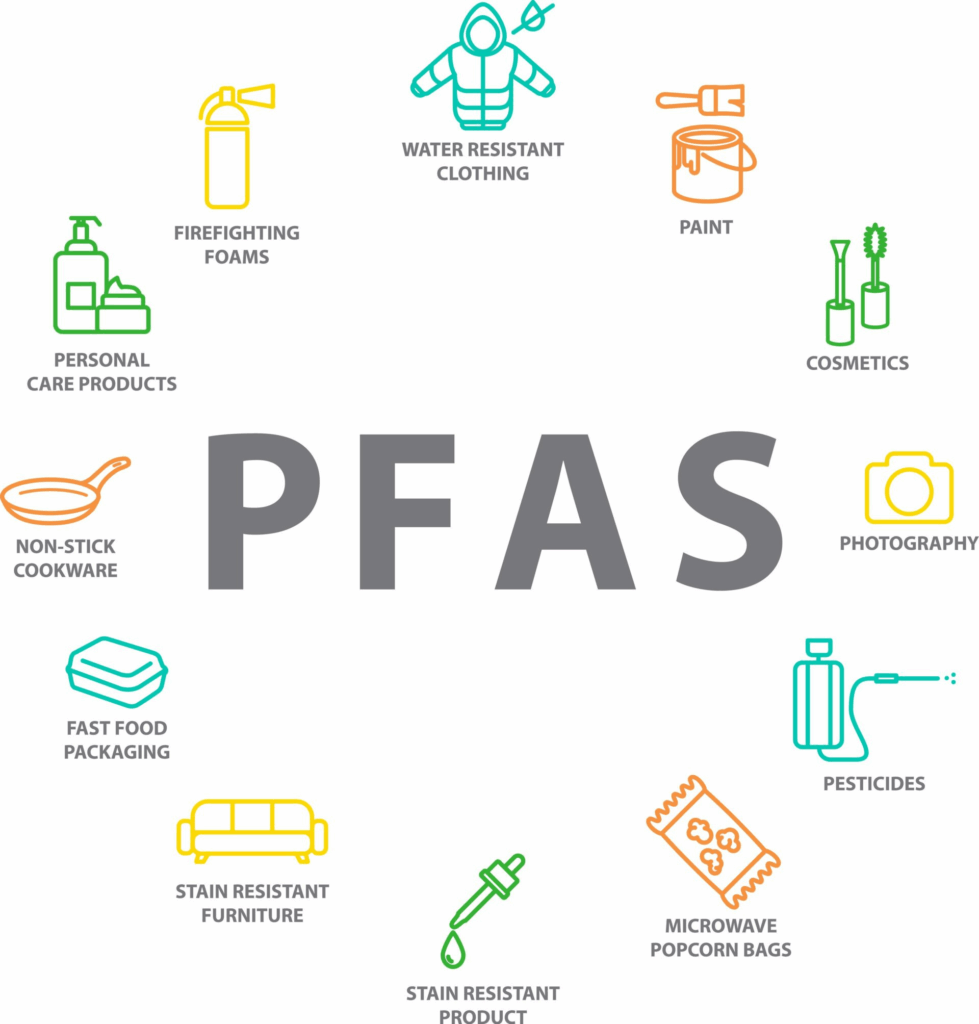
·Strict Control Over Heavy Metals and PFAS
Aim to enhance the purity and long-term utilization value of recycled materials.
·Recyclable Design as a Market Access Requirement by 2030
Starting from 2030, packaging must achieve Class A, B, or C recyclability performance. After 2038, Class C packaging (with recyclability below 70%) will no longer access.
·PCR as the Market Entry Threshold
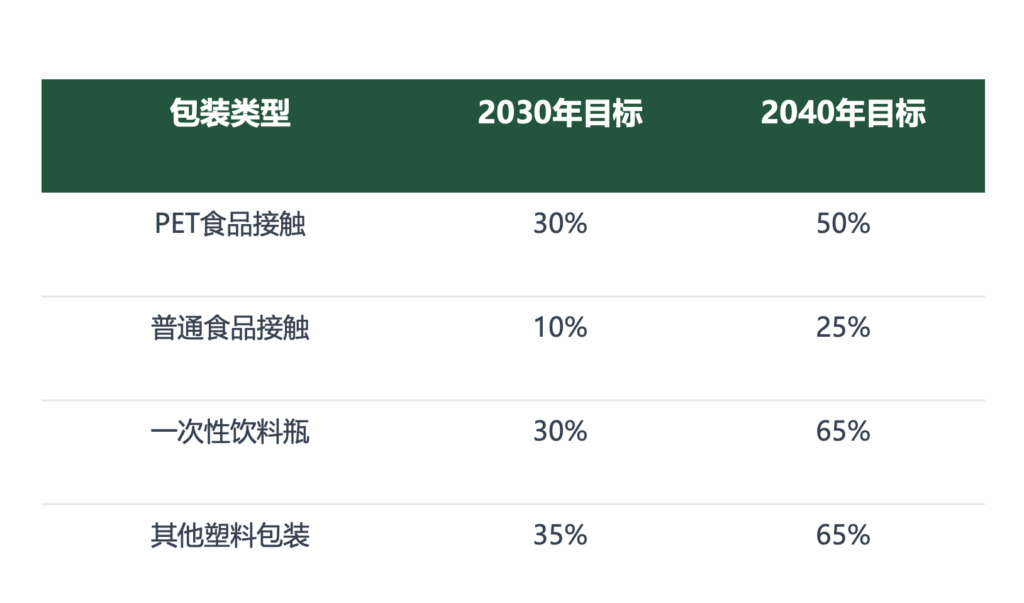
Cosmetic packaging belongs to contact-sensitive packaging category under the PPWR.
Packaging made of non-PET plastics like PE and PP, the minimum PCR target for 2030 is 10%; for PET-based cosmetic packaging is 30%.
·Limits on Packaging Weight and Volume
The empty space ratio in secondary packaging (including grouped, transport, and e-commerce packaging) must not exceed 40%.
·Packaging Design Influences EPR Fees
Mono-material, lightweight, and high-compatibility solutions are more likely to secure lower fee rates.
02 What Kind of Packaging Solution Is Easier to Comply?
In the PPWR era, UDN provides different packaging solutions.
Reduce Material Use
One-Piece Tube: Reduces resin usage by up to 55% by cutting the thickness of the sleeve and integrating the tube head.
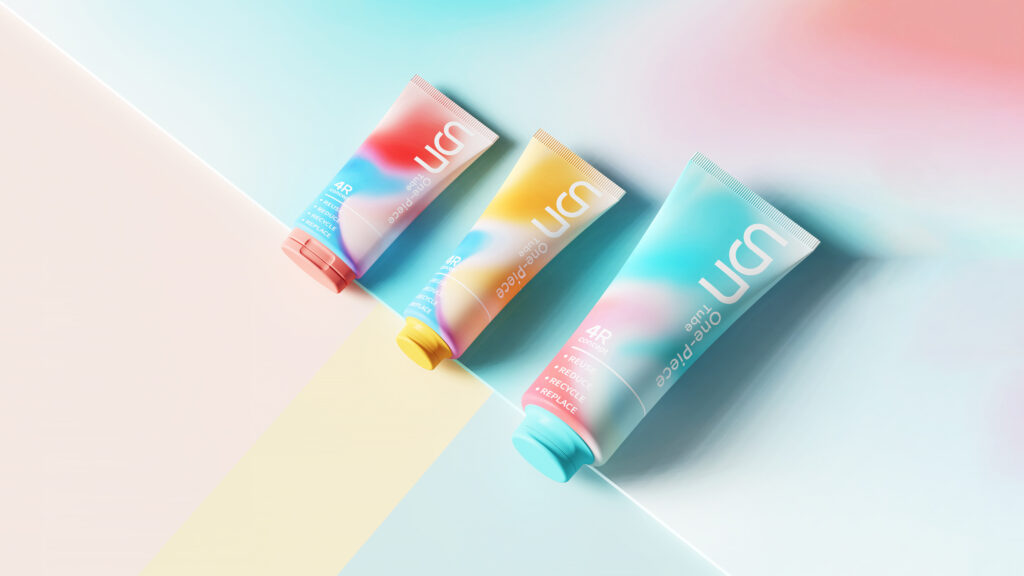
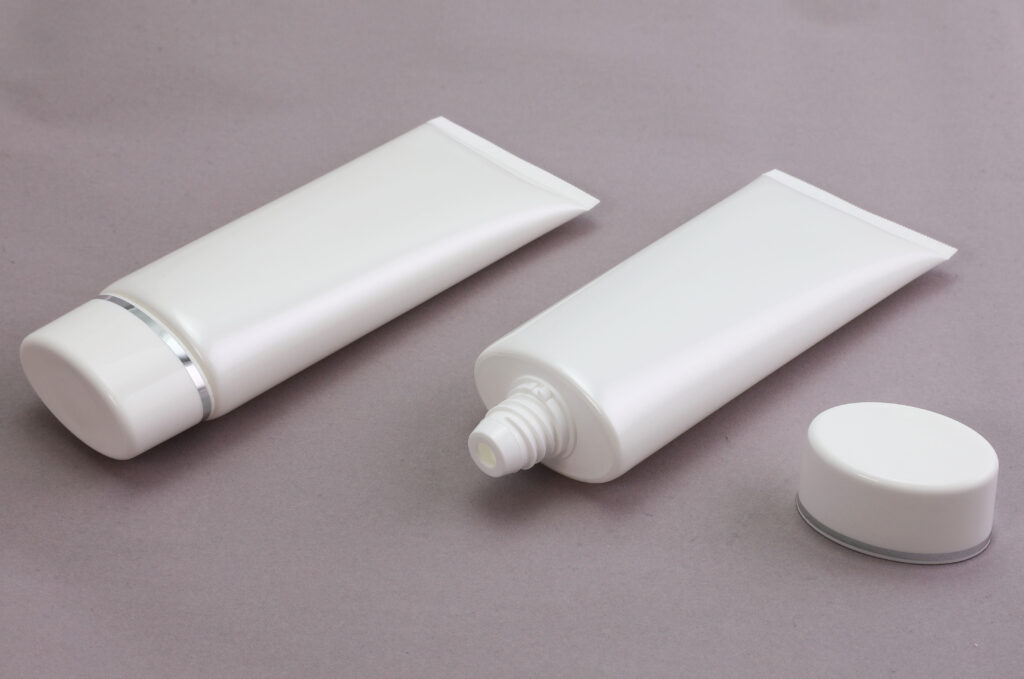
Oval Tube: Easier to pack, less empty space.
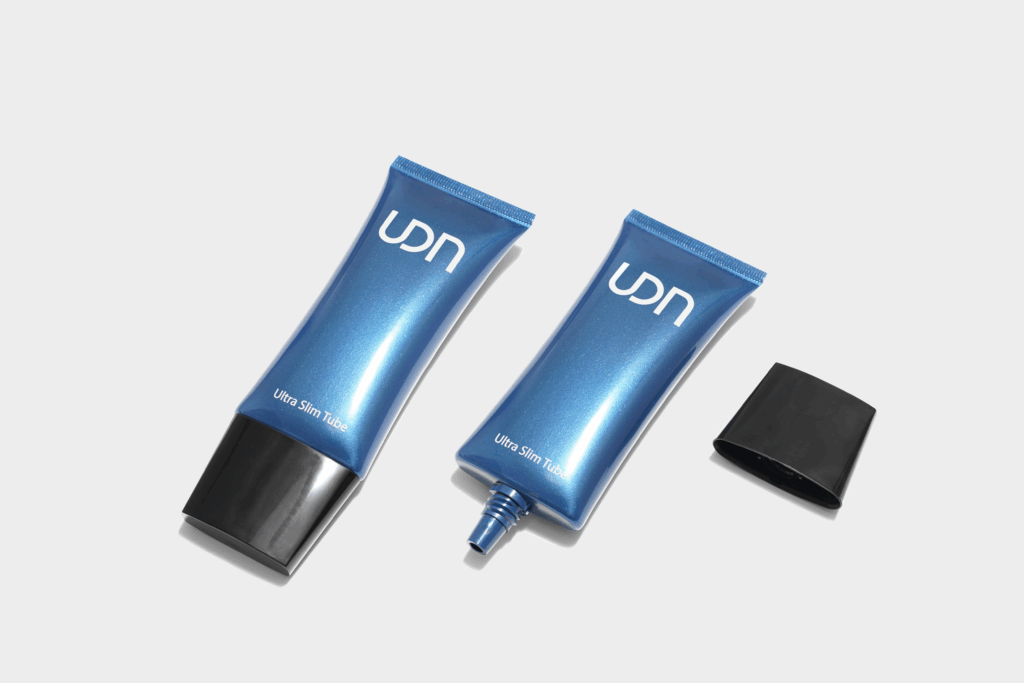
Ultra-Slim Tube: Extra thin design, Easy to carry.
Reduce plastic through lightweight designs, improving transportation efficiency.
Simplify Packaging Structures
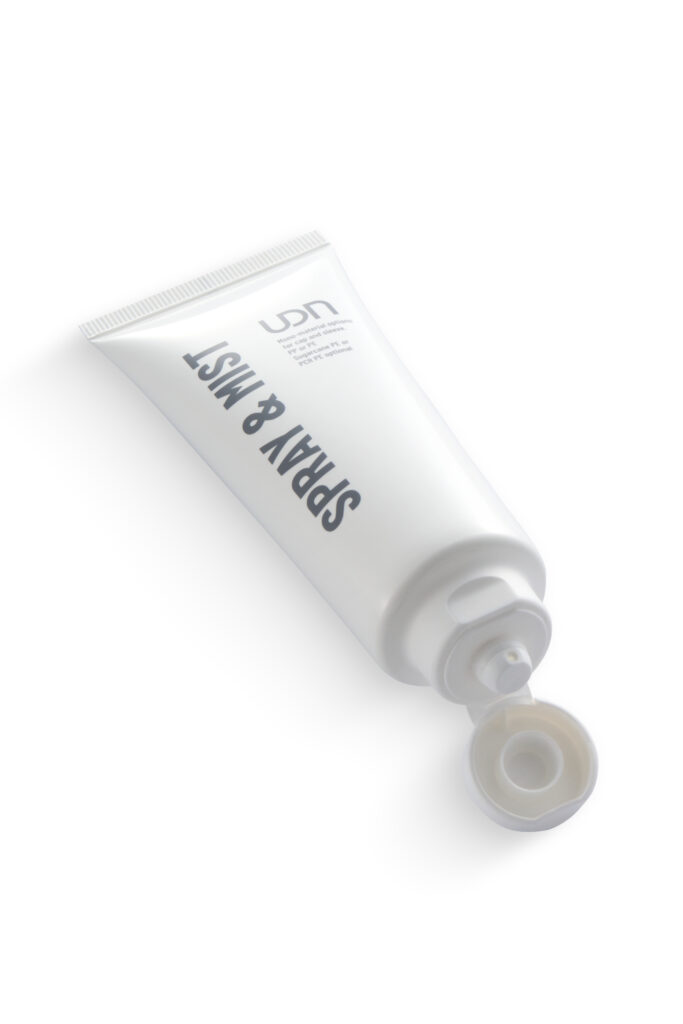
Mist Tube: Mono-material options for cap and sleeve PP or PE, easily recycle.
High-Transparency Mono-Material: 100% highly transparent PE/PP.
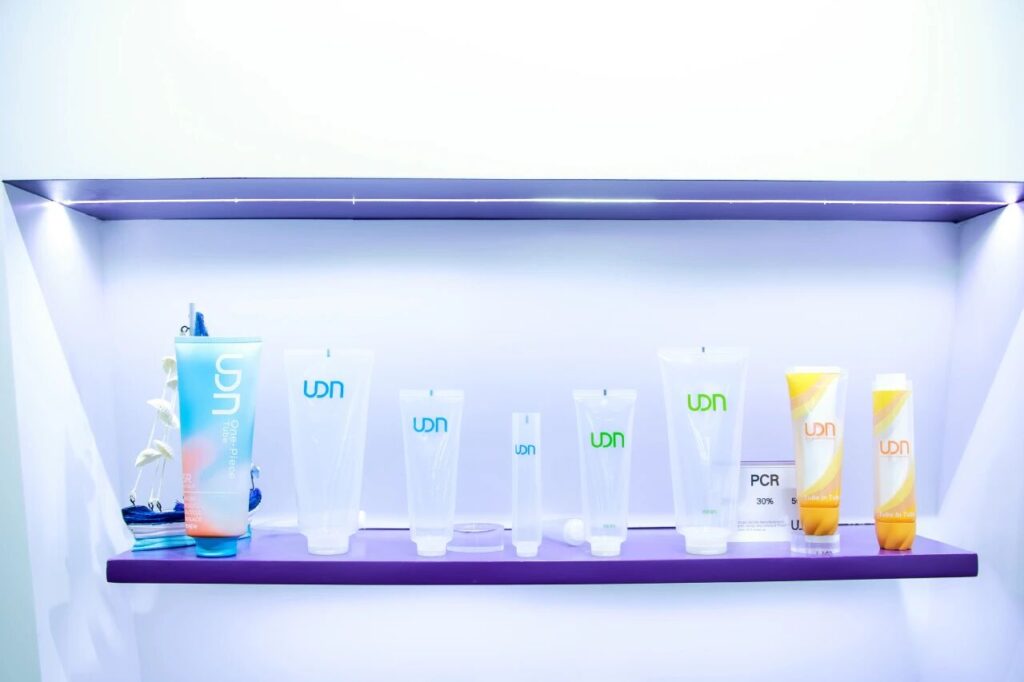
Eco-Friendly Material Tubes: Made from renewable PE/PP such as PCR, bio-based, or ocean-bound plastics
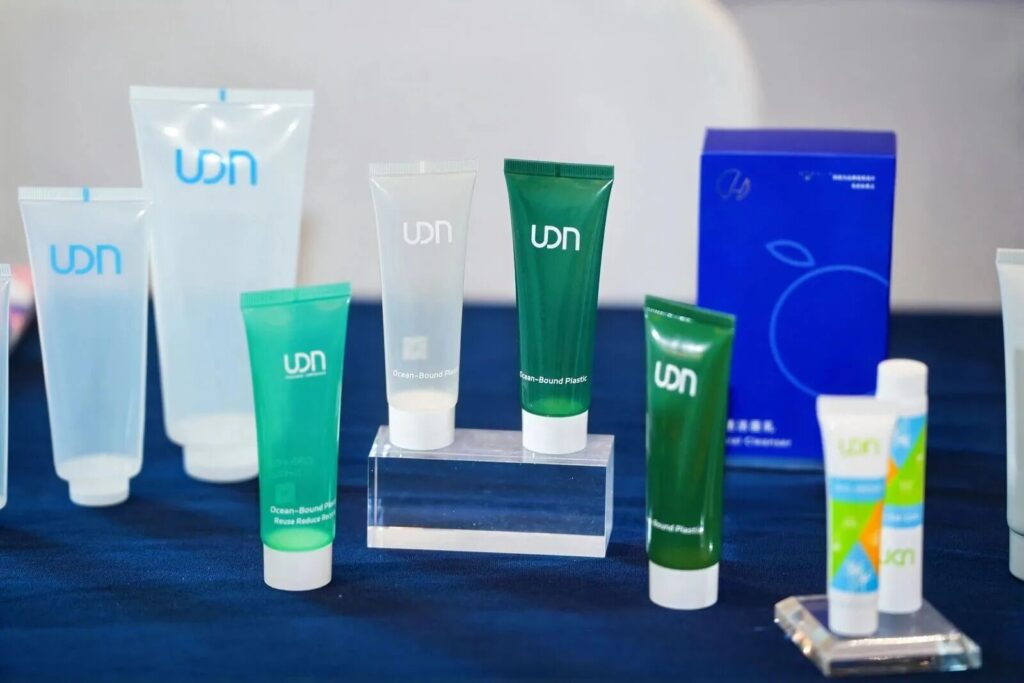
Design with Purpose
Side by Side Tube: Two formulas squeezed evenly with different orifices.
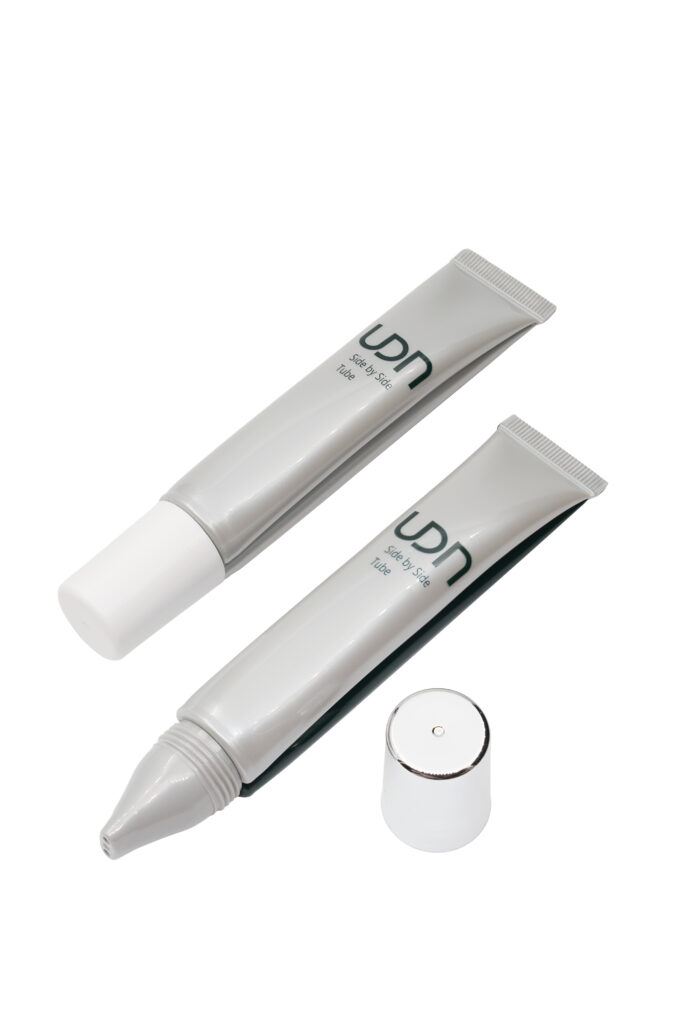
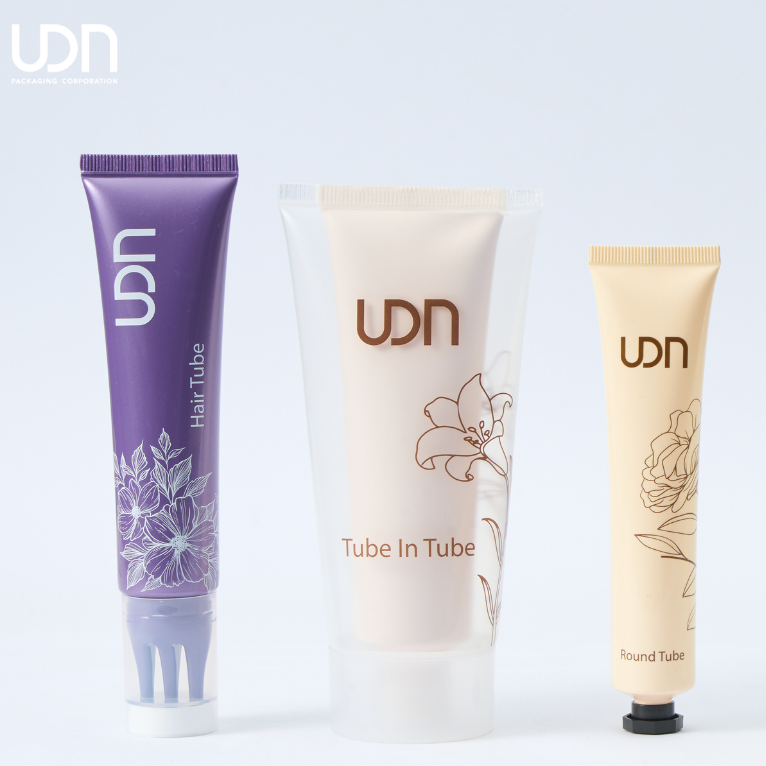
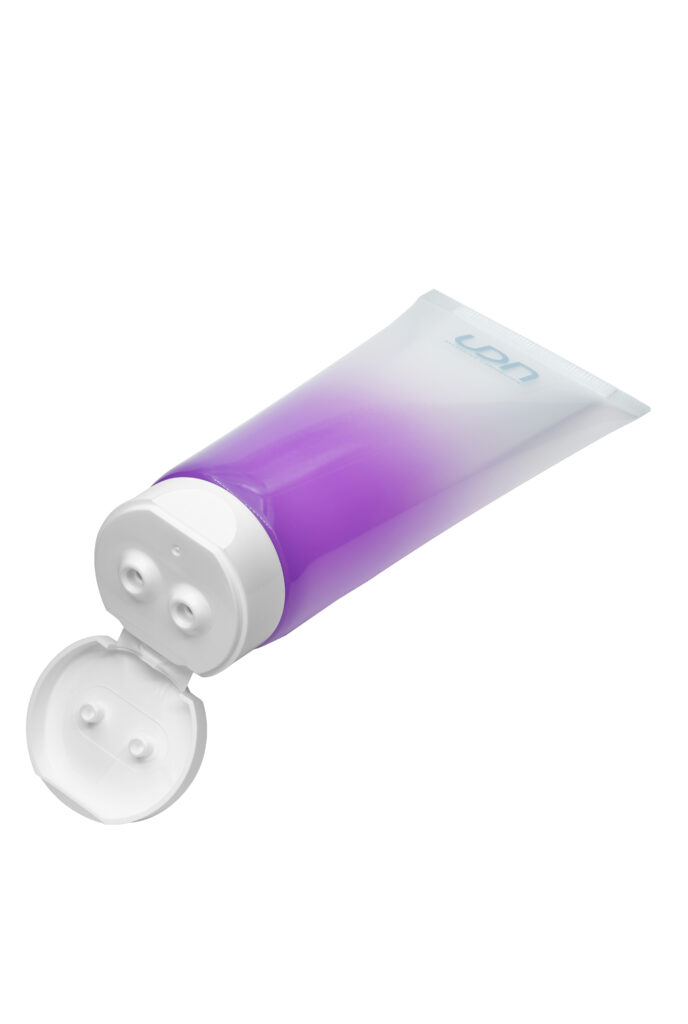
Tube in Tube: 2 Tubes combine in 1, double chamber for multiple functions.
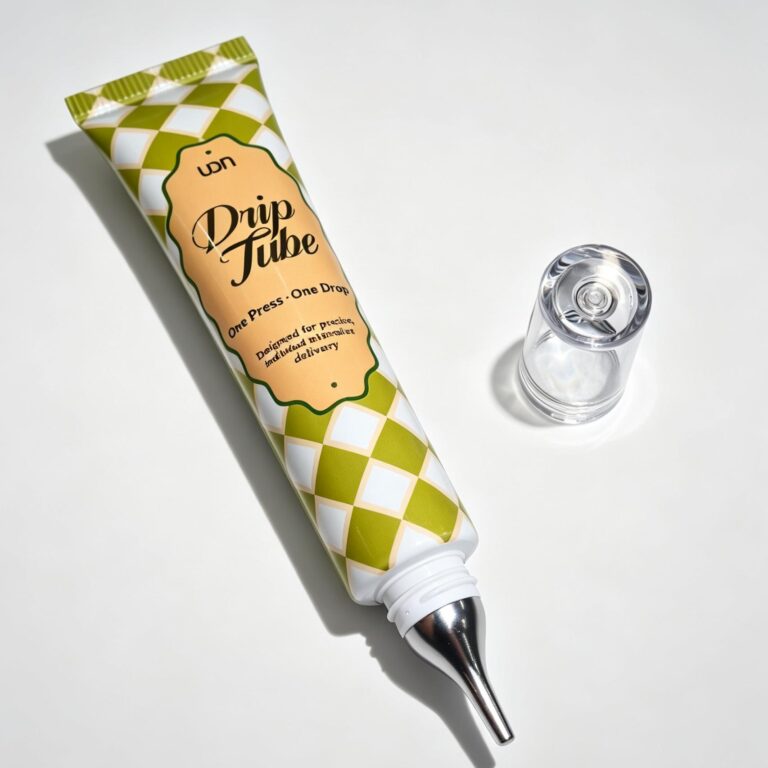
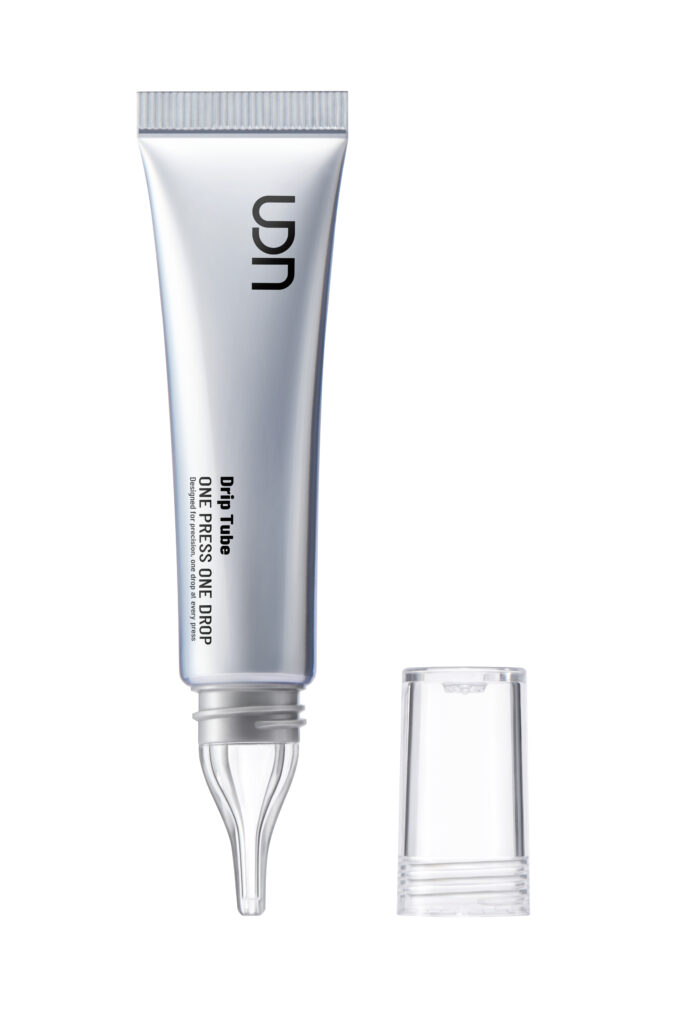
Drip Tube: Precise flow control, delivering the right amount.
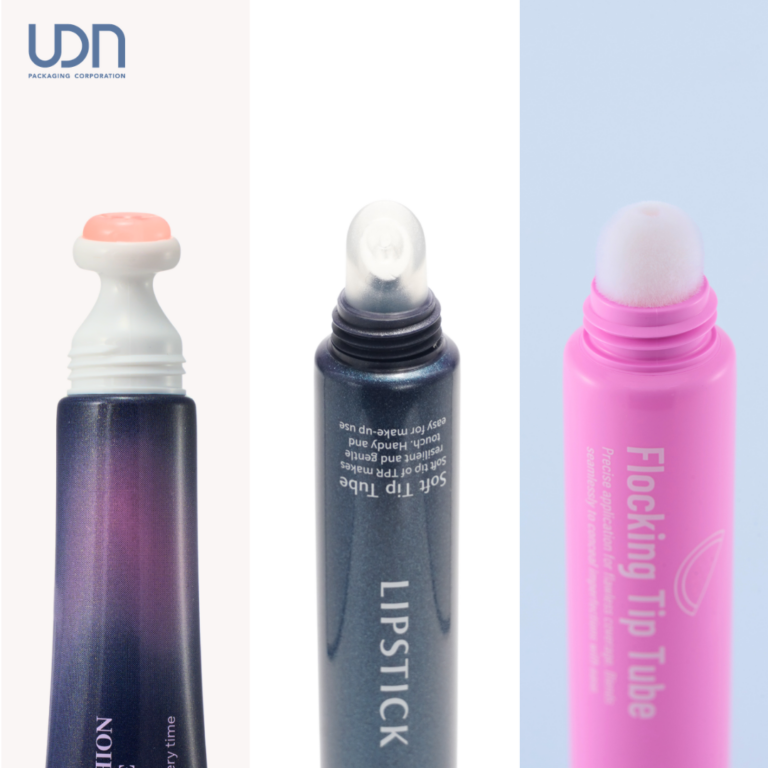
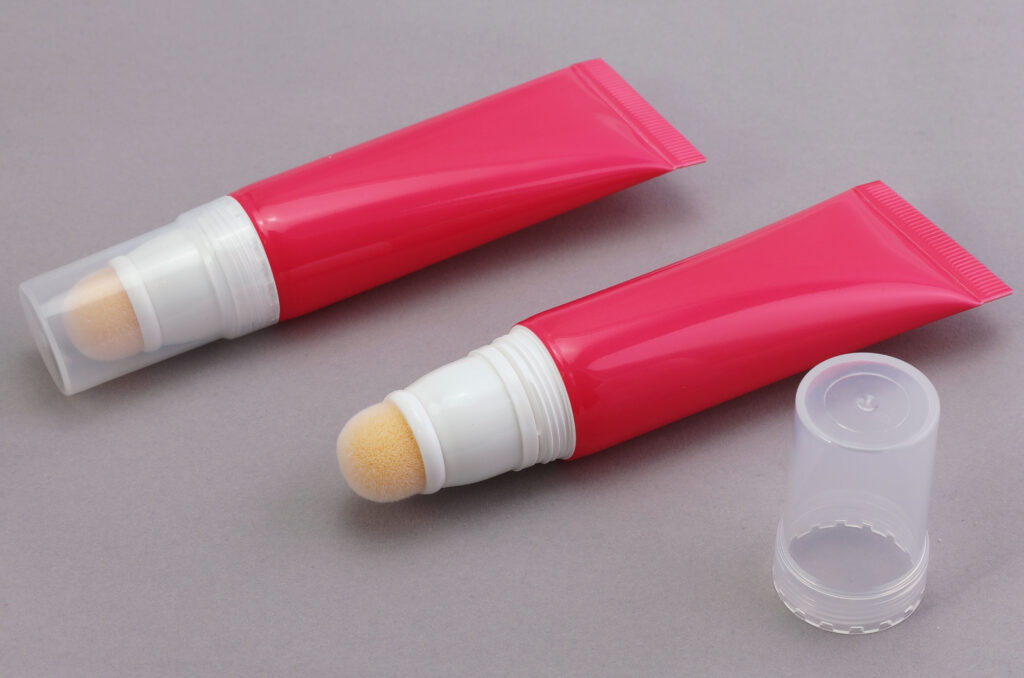
Replaceable Flocking Tip Tube: Easy to replace head, avoid packaging waste.
03 How UDN Supports PPWR Compliance
·Eco-Friendly Printing with Low Emissions
Low-VOC eco-friendly inks and UV-curable inks to reduce volatile gas and carbon emissions.
·Eco-Friendly Materials with Traceable Safety Certifications
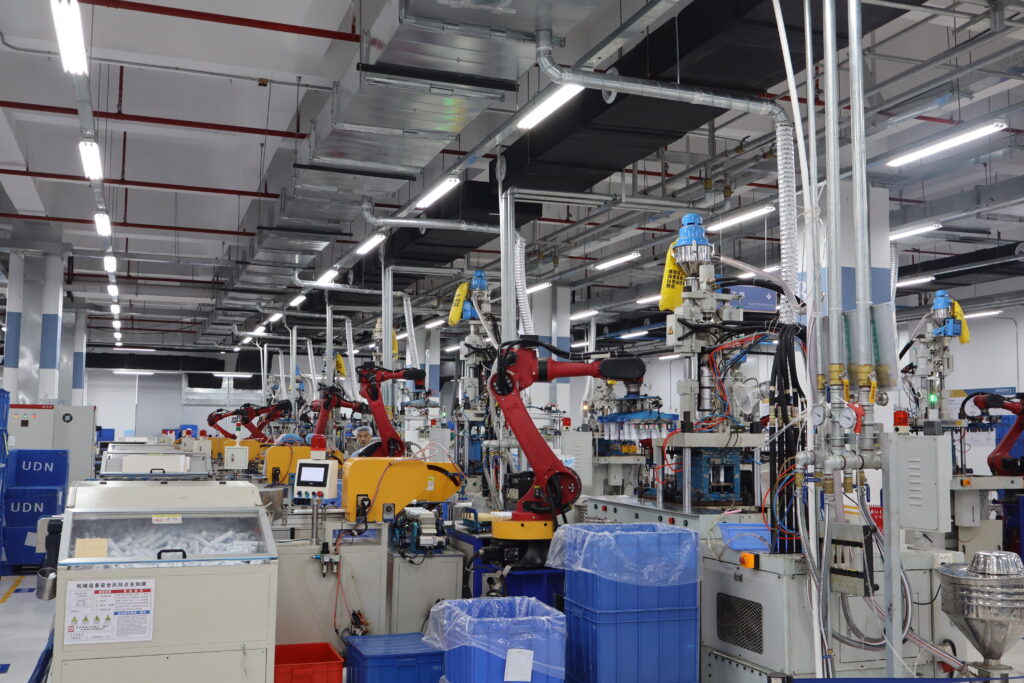
PE, PP, PCR PE, bio-based PE, and OBP are optional.
·Comprehensive Data to Help Brand Declarations
Providing data on packaging materials, weight, recycled content ratios, and relevant compliance documents.
Conclusion
PPWR is more than a regulatory change—it is redefining how cosmetic packaging is developed.
By reducing materials, simplifying structures and improving recyclability, brands can stay compliant while creating better user experiences.
At UDN, we combine innovative tube packaging with sustainable materials and technical support to help brands prepare for the next generation of packaging regulations.
Contact us to discover packaging solutions designed for the PPWR era.